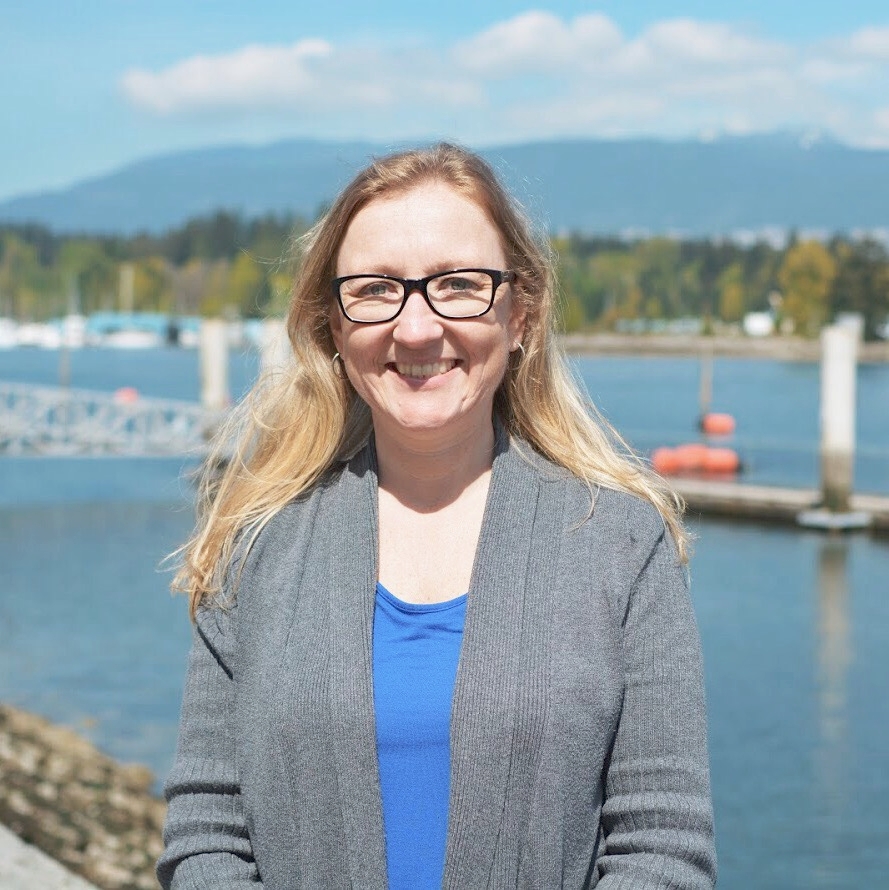
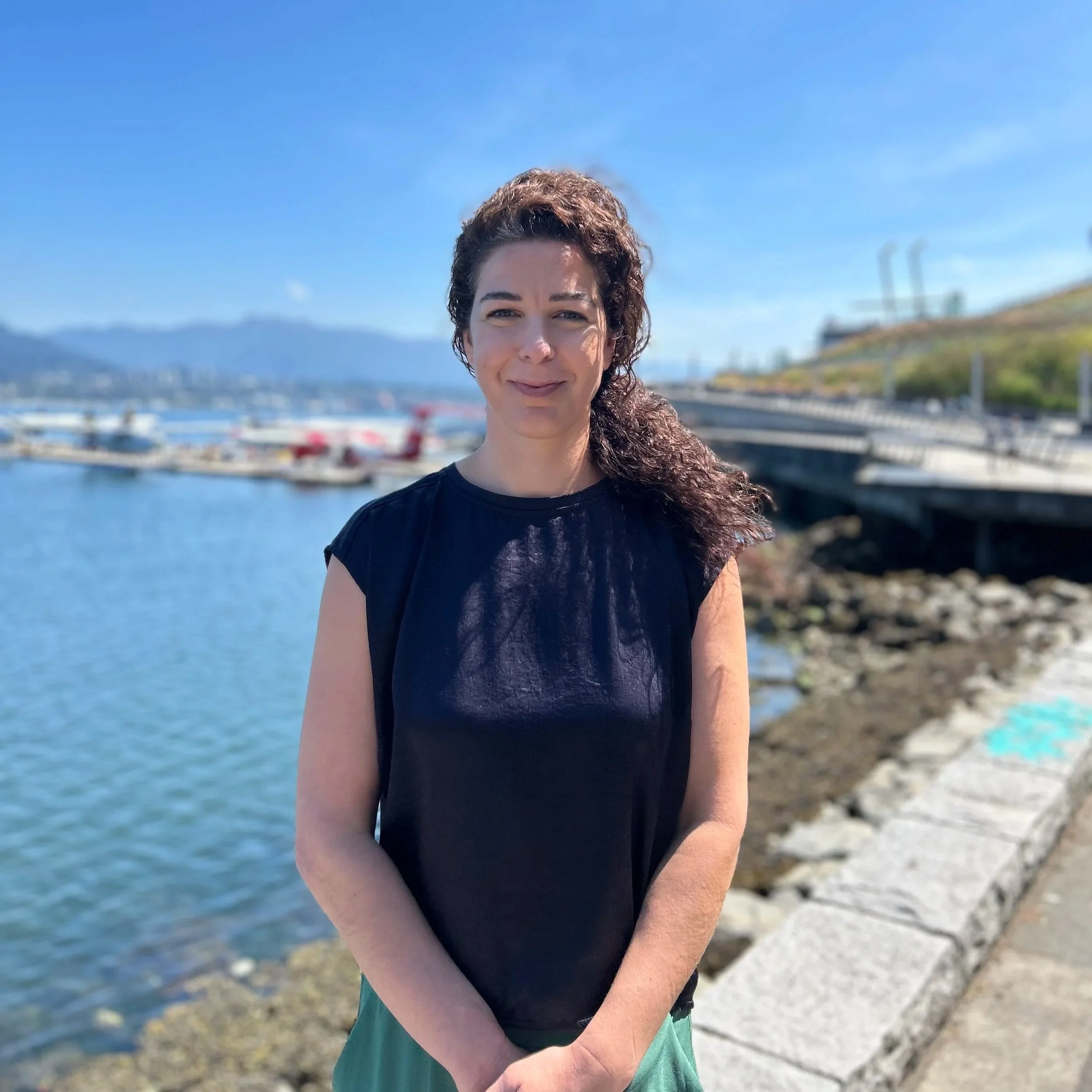
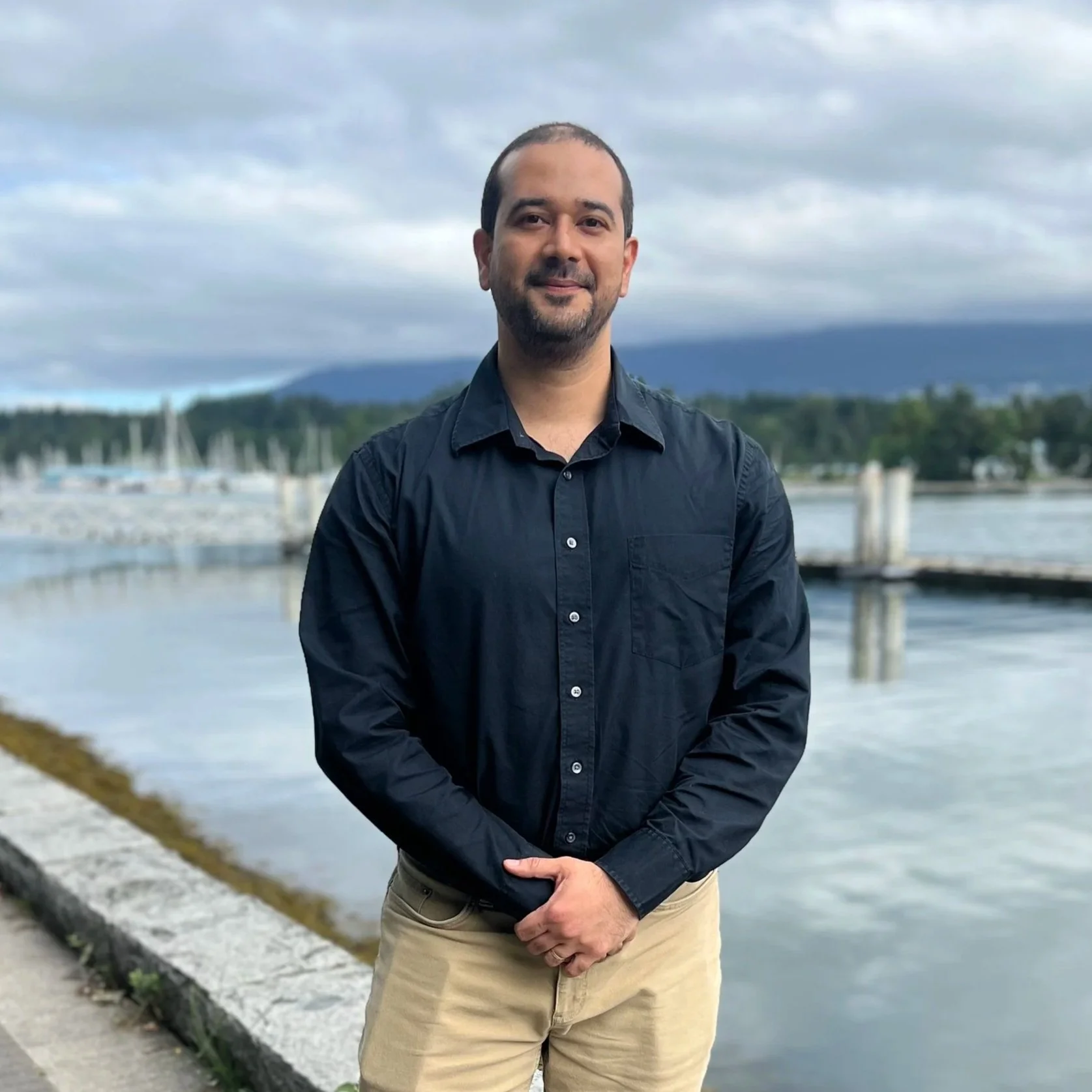
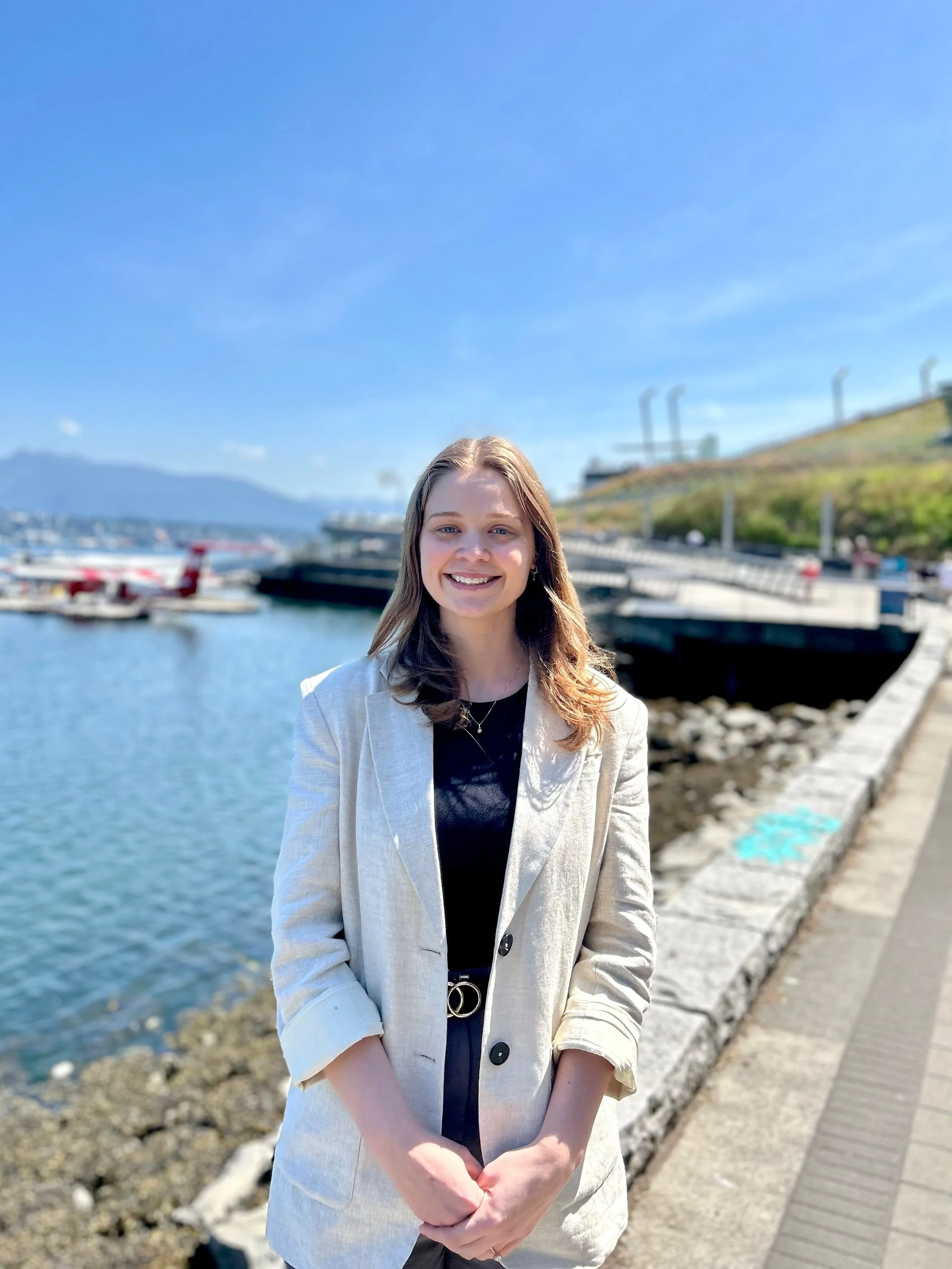
WITH DIVERSIFIED BACKGROUNDS AND EXTENSIVE TECHNICAL KNOWLEDGE, OUR TEAM BRINGS MANY YEARS OF EXPERTISE IN EMERGENCY, BUSINESS CONTINUITY AND SECURITY MANAGEMENT TO CCEM STRATEGIES.

Experience with government, public safety, utilities, healthcare and oil and gas sectors — we possess true compassion and a deep understanding of relevant issues and challenges organizations face in business continuity and emergency management.

PARTNERS


The collaborative approach of experienced emergency management professionals who are sensitive to complex multi-stakeholder relations, have together, created CCEM Strategies — a privately held Canadian corporation established in 2015

Diane Radymski
Director

Christine Trefanenko
Director

THE CCEM TEAM

Alex Mielke

Alex Mielke

Alexis Smith

Alexis Smith

Judith Pelletier

Ricardo Butler

Jonas Petersen

Kieran Patchell

Rudi Ballard

Felipe Luiz

Alicia Child

Duy Tran

Jenna-Leigh Dow

Patrick Ipac

DSC_0617_2.JPG

Diane Radymski
Director

After acquiring a degree in commerce, Diane thought she would follow a traditional career trajectory into business, but a contract with Emergency Management and Climate Readiness supporting planning for the 2010 Winter Olympics and Paralympics changed all that. The opportunity opened her eyes to the immense benefits emergency management and continuity planning could bring to communities and critical infrastructure, and she was hooked.

While there, Diane worked with subject matter experts from local governments, first responders, security services, and infrastructure operators like Christine Trefanenko, who at the time was responsible for emergency management at the province’s natural gas utility. After the Olympics, Diane joined Christine at FortisBC as an Emergency Manager, gaining key experience in the energy sector for four years before leaving to travel. When she returned, she and Christine decided to join forces and in 2015, CCEM Strategies was born. In more than a decade of business, CCEM Strategies has supported emergency management and business continuity planning for some of the largest infrastructure and energy projects in Canada.

With expertise in multiple sectors, Diane understands the interdependencies among government and industry and the need to be coordinated in response to emergencies. As a result, she has unique insights into how both sides can effectively work together to integrate plans and procedures. 

Now with expanded service offerings including legislative analysis and compliance, research, management system design and analysis, risk assessments, and information design, Diane emphasizes that CCEM’s values of customer focus, care, excellence, and enhancement underpin the team’s commitment to delivering a high level of services and products to their clients. She adds that they always ensure their plans are tailored to meet their client’s unique operations and cultures. It’s this hands-on approach and CCEM’s ability to customize their services to meet each client’s needs that’s positioned them as a trusted firm that continually delivers exceptional and customer-focused results.

From her years of experience, Diane knows how critical it is for communities and organizations to have well thought out approaches on managing risk, delivering training, ensuring regulatory compliance and responding to emergencies. She emphasizes that her team will go above and beyond to deliver the best work for their clients so if an emergency arises, the impacts can be minimized.  

Diane is an accredited Associate Business Continuity Professional and holds certificates in emergency management and exercise design from the Justice Institute of BC. She’s also a regional recipient of the Premier’s Award for Integrated Public Safety for her work during the Vancouver 2010 Olympic and Paralympic Games.

Christine Trefanenko
Director

After 15 years working as a respiratory therapist, Christine was ready for a change. When a friend told her about the emergency management program at the Justice Institute of BC (JIBC), Christine read the course descriptions and literally had a light bulb moment! She says she couldn’t believe that people could be paid to prepare for emergencies such as earthquakes, as she’d already been doing that because she lived in Richmond, a low-lying area at risk for liquefaction in the event of an earthquake.

Christine was all in, signing up for her first course and completing the rest in record time. After a practicum with the City of Abbotsford, she was hired by BC’s largest energy provider, FortisBC, as Manager of Emergency Management and Business Continuity. 

Christine spent eight years at FortisBC where she managed the emergency management programs for the natural gas and electric utilities, hydro-electric generation, and Liquified Natural Gas (LNG). She represented the utility for the Province of BC’s 2010 Winter Olympics emergency planning group (where she met Diane Radymski), prepared plans for new LNG and hydroelectric generation facilities, and solidified business continuity plans in preparation of labour action.

In 2015, after Christine and Diane had both left FortisBC, they came together to create CCEM Strategies. Working from their respective kitchen tables and capitalising on a wealth of experience across infrastructure, energy, and government projects, they landed two key clients very quickly. Now in more than ten years of operation and with a dozen employees, CCEM has broadened its professional services to include not only emergency management and business continuity planning, but also strategic engagement and consultation, crisis management, regulatory analysis and compliance, training development and delivery, and more. CCEM Strategies has delivered a breadth of services to clients across industries and of all sizes, from municipal councils to multi-national organizations. 

With the company’s steady growth, Christine says they’ve become known for their detailed and professional proposals, customized plans, excellent customer service, collaborative approach, and client and community care. She adds that the diversity of their team and their willingness to meet their clients where they’re at is what sets them apart from larger companies.

Christine can’t stress enough the importance for communities, businesses, and organizations, to have emergency management and business continuity plans in place. Not only for regulatory and insurance requirements, but also for their personnel, clients, and the safety of the public. Christine says that during the unprecedented COVID-19 pandemic followed by the extreme weather events in 2021 in BC (the heat dome and atmospheric river), the goodwill of the public forgave organizations for not being initially prepared. But, as she says, when the next emergency happens, much of that goodwill will have been spent. Lessons have been identified and now need to be implemented, as it will be expected that businesses, organizations and governments will be ready.

As well as a Respiratory Therapy Diploma, and a Bachelor of Science Degree (Health Science), Christine has an Emergency Management Certificate from the JIBC, is certified by the Disaster Recovery Institute as a Business Continuity Professional and has multiple applied project management and emergency management certificates. Christine is the chair of the Technical Committee for the Canadian Standard Association’s (CSA) Business Continuity and Emergency Planning Standard CSA Z1600 and the vice-chair for the Emergency Preparedness and Response for Petroleum and Natural Gas Industry Systems Standard CSA 246.2.

Alex - Headshot.jpg

Alex Mielke
Manager, Growth & Delivery

While pursuing his Bachelor of Commerce at the University of Alberta, Alex took on a cooperative education option where he spent 12 months in a discipline-related work experience. While Alex says he wasn’t planning on pursuing the field of emergency management, two of his placements were in municipal recovery with the Alberta Emergency Management Agency (AEMA). During a placement in May 2016, Alex got a front-and-centre view of a major emergency response in action when one of Canada’s largest disasters, the Fort McMurray wildfire, broke out.

Alex stayed on with AEMA for five years before joining CCEM in 2021. In 2023, Alex also received his designation as a Canadian Risk Manager (GRMI), bringing forward a solid foundation in risk management, consequence analysis, and organizational resilience.

In his role as CCEM’s Manager, Growth and Delivery, Alex applies strong analytical and project management skills to help clients strengthen their preparedness, response, and recovery capabilities. This includes developing detailed workplans, delivering timely reporting, and ensuring projects are completed on time, on budget, and within scope.

Alex’s background allows him to combine practical, regulatory, and business perspectives to deliver effective solutions. Alex advocates for ongoing collaboration, forward planning and evidence-based decision-making. Alex believes that emergency management should be a constantly evolving field so to adapt to social and legal evolutions. He adds that having an open mind allows for new ideas and alternative solutions.

With more than ten years experience under his belt, Alex has discovered that when some organizations plan for emergencies, they often believe the worst-case scenario is beyond the bounds of possibility, but in fact can often become true. He says that having a creative mindset and planning for all possibilities results in a much better outcome in an emergency event.

Alexis.jpg

Alexis Smith
Senior Specialist, Emergency Management & Resilience

Growing up Alexis wanted to become a first responder, but she ended up taking another direction – marketing and event management, initially for non-profit organizations and then in the private sector. After working in this field for 15 years, Alexis was looking for a new challenge and discovered that her skills in logistics, planning, project management, writing and communications were transferable to the field of emergency management. 

In addition to her Bachelor of Business Administration in Marketing Management and Diploma in Public Relations, Alexis’ Diploma in Security and Emergency Management and Certificate in Critical Incident Stress Management has her well-positioned for her role as Senior Specialist, Emergency Management & Resilience. 

As a long-standing member of the CCEM team, Alexis has supported a wide range of clients from multinational organizations in the energy sector to municipal councils. Her work includes designing and delivering emergency exercises, coordinating engagement with external stakeholders and entities, and writing plans, procedures and reports that are tailored to clients’ operational contexts.  

When facilitating emergency exercises, Alexis says she loves seeing how all the different players work together and cooperate under pressure. Even though the scenarios aren’t real, she says there’s always a certain level of stress and she loves coaching the players in their roles. She also plays a key role facilitating interactive engagement sessions and workshops. Alexis believes that strong working relationships are key for effective emergency management, and exercises and workshops help create opportunities for engagement between key players. In the event of real emergency, those relationships are already in place and help ensure effective communications.   

As CCEM Strategies is not ‘one size fits all’, Alexis ensures each deliverable is specifically customized for the client. She says she wishes she started working in emergency management sooner! As now, her job combines the best of both worlds - her expertise in communications and logistics and passion for emergency response. 

Judith Pelletier
Senior Specialist, Emergency & Continuity Management

Judith joined CCEM with a Master’s degree in Disaster and Emergency Management from Royal Roads University. She is a Senior Emergency Management Specialist with experience strengthening emergency preparedness, response, and organizational resilience across the energy, industrial, government, and outdoor education sectors. She leads emergency management initiatives, including developing, implementing and maintaining emergency management programs, and emergency response plans and procedures, with a focus on regulatory compliance and operational practicability.  Judith has experience applying the Incident Command System (ICS) in both planning and operational environments, as well as designing and facilitating emergency management training exercises. 

Her work also includes hazard, risk and vulnerability assessments, stakeholder engagement, Judith believes in the importance of building relationships with her clients based on mutual respect and understanding. Putting this into practice with one of her clients, a First Nations community she’s developed a flood preparedness plan for, has enabled Judith to create a culturally relevant emergency response plan that supports the needs of a population not only vulnerable to flooding, but one that historically has had limited access to resources and critical services. 

Judith has a strong grasp of the natural environment and natural hazards and their impacts on people, land and infrastructure. This understanding, fostered by her experience working with diverse populations, and her innate ability to foster and maintain strong relationships with clients, positions her well for modern-day emergency management.  

Judith says that in her experience, effective emergency management planning is achieved with a bottom-up approach that utilizes the resources and skills available within a community or organization. She adds that even the most robust plans can fail if they don’t align with the resources and skills available within a community or consider the cultural differences that motivate people to act.

Ricardo Butler
Senior Specialist, Emergency & Continuity Management

In his role as Senior Specialist at CCEM, Ricardo draws upon over twenty years of expertise in emergency and business continuity management. With a diverse professional history across various industries, jurisdictions, and countries, Ricardo brings a wealth of knowledge and a strategic approach to every project. 

Ricardo’s journey into emergency management and business continuity planning was ignited by his innate desire to be prepared for the unknown. His initial exposure to the field, while serving in the Bermuda Police Service, fueled his dedication for safeguarding communities and organizations against potential risks and disruptions; a commitment that continues to drive his work. 

From his initial introduction into emergency and continuity management to his current role at CCEM, Ricardo has consistently demonstrated both passion and expertise. Prior to joining the CCEM team, Ricardo successfully managed the Liquids Pipelines Business Continuity Program for Enbridge Pipelines in the U.S and Canada. This multifaceted leadership responsibility involved conducting risk assessments, business impact analysis, continuity strategies analysis,’ planning, and testing, as well as offering expertise and guidance in prioritizing critical business processes and functions. Additionally, during his tenure at Air Canada, Ricardo developed their inaugural Business Continuity Program, ensuring the identification of critical business processes and the formulation and implementation of effective continuity strategies. 

Ricardo attributes his dedication to the importance of relationships with stakeholders, customers, and clients to his success in a variety of projects. This dedication has been evident in his various projects at CCEM, where he has led a range of projects, including the development of a suite of departmental business continuity plans for an international transport organization to improve incident response and organizational resilience. Ricardo's emphasis on building strong relationships with clients and users ensures processes and tools being prepared are tailored to meet their specific needs and requirements. By actively engaging with project teams and understanding their perspectives, Ricardo ensures deliverables provide practical and effective solutions for responding to emergencies.

Jonas Petersen
Senior Specialist, Emergency & Continuity Management

Starting his career as an Emergency Support Services volunteer during the 2017 Chilcotin wildfires, Jonas Petersen is a seasoned practitioner and subject matter expert with almost 10 years of experience in emergency management in British Columbia. Through his emergency response roles with the B.C. Ministry of Emergency Management and Climate Readiness and the B.C. Wildfire Service, Jonas has become deeply familiar with the provincial emergency management system, recent legislative changes, and the critical need for cross-agency coordination and planning, including Indigenous Engagement Requirements.  

After several years of actively responding to provincial emergencies in B.C., including thousands of hours in Emergency Operations Centre environments, Jonas has transitioned his focus to system readiness and continuous improvement. During his time with the Province of B.C., he prepared research reports, case studies, and After-Action Reports, and led internal training to drive positive changes in provincial response operations, including increasing alignment with national (CSA) and international best practices (ISO, UNDRR).  

In his role as a Senior Specialist at CCEM, Jonas draws on his provincial government experience, research aptitude, and facilitation and training skills to help clients understand, comply with, and build strong programs in B.C.’ and Canada’s complex emergency management landscape. At CCEM, Jonas’ work has encompassed the breadth of his skills and experience, supporting clients through the development and delivery of bespoke training and exercises, conducting gap analyses, and providing guidance on emergency management practices and processes to improve readiness and resilience.  

Kieran Patchell
Emergency & Continuity Management Specialist

Kieran brings a strong foundation in crisis coordination, response planning, and community and industry resilience building to CCEM. He has experience responding to a wide range of hazards, from floods and fires to earthquakes and landslides. His early career focused on leading responses to biosecurity incursions in his home country of New Zealand, coordinating effectively at the interface of science, environment, and community.  

He brings hands-on planning experience to CCEM from managing real-world scenarios. The variation in Kieran’s biosecurity experiences, leading responses and supporting preparedness planning, could read like a top 100 list of the world’s most invasive species. He has led multi-million-dollar response efforts to support critical industries and infrastructure underpinning the New Zealand economy. In between activations, he has gained experience drafting threat-specific readiness manuals, conducting hazard assessments, leading exercise development and execution, and facilitating small and large-scale debriefs.   

Having led a range of responses, Kieran has seen firsthand the value of tested plans and understands the engagement and expertise that goes into sufficiently preparing for disaster. At CCEM, he uses his strategic thinking to support clients in their initiatives. He leads projects for clients on Canada’s east and west coast, with a particular passion for supporting the development of municipal and First Nation resilience and preparedness. Some of the projects that Kieran has worked on with CCEM include the development of a Disaster Debris Management Plan, ongoing enhancement of Emergency Management Programs, and the development of a strategy to guide the regional coordination of disaster communications.  

Prior to joining the CCEM team, Kieran gained leadership experience and innate knowledge of resource stewardship in his work supporting British Columbia’s Archaeology Branch in leading its Transportation and Infrastructure team. By advocating for operational excellence and delivering key permitting services to clients and stakeholders, Kieran has demonstrated that his planning and leadership skills are transferable across a range of sectors and jurisdictions. Additionally, during his time at the Archaeology Branch, he developed a deep understanding of the B.C. government and its numerous and complex regulatory processes. Kieran incorporates these skills and knowledge into all the work that he does to support clients in their emergency management goals.  

Rudi Ballard
Emergency & Continuity Management Specialist

While completing her Master of Community and Regional Planning at the University of British Columbia, Rudi took an interest in community-driven disaster resilience plans and programs. She went on to join North Shore Emergency Management (NSEM), where she gained hands-on experience across the full spectrum of preparedness, response, and recovery.   

Throughout her time supporting continuity and emergency management operations at a municipal level, Rudi collaborated with local and provincial government, first responders and response organizations, and Indigenous governing bodies. She gained firsthand experience responding to extreme weather events and structure fires, provisioning Emergency Support Services to evacuated residents, and working within an active emergency operations centre. Rudi also played a key role in the development of numerous emergency plans and exercises. Most notably, a tri-municipal evacuation plan supported by annual full-scale exercises to strengthen interagency response procedures and accompanied by an interactive evacuation status map to help residents access timely information during emergencies.  

Having worked in a multi-jurisdictional environment, Rudi understands the intricacies of supporting diverse communities and organizations in their comprehensive emergency and continuity management pursuits. In her role at CCEM, she draws on her planning and operational background to provide clients with creative strategies, thoughtful engagement, and technical guidance grounded in both regulatory knowledge and lived experience. 

Rudi believes that effective emergency management begins with a person-first approach, and she emphasizes the power of relationships in facilitating constructive, meaningful resilience work that strengthens community and organizational outcomes.  

Felipe Luis
Senior Advisor, Emergency & Continuity Management

Felipe Luiz is an emergency preparedness and operations professional with more than 17 years of experience.  His career has focused on emergency management, business continuity, security operations, risk assessment, stakeholder coordination, and crisis response in high-profile environments, including international government organizations and diplomatic missions. 

Prior to joining CCEM Strategies, Felipe served as a Readiness Program Officer with Global Affairs Canada (GAC) at the Embassy of Canada in Brazil. In this role, he led emergency preparedness and business continuity initiatives, undertook risk assessments, and coordinated security and mission readiness programs, including supporting the continued operation of the Embassy to maintain essential services throughout the Covid-19 Pandemic. He also facilitated training activities and drills to all Canadian missions in Brazil supporting the Regional Emergency Management Office’s capability when engaging in crisis response. Felipe worked closely with local authorities, international stakeholders, and mission staff to strengthen organizational readiness and mitigate risks associated with demonstrations taking place near the Canadian Embassy during times of civil unrest.  

Felipe's career also includes roles with the Australian Department of Home Affairs and UK Visas and Immigration, where he held positions supporting business continuity and preparedness, risk analysis and profiling, fraud prevention, and policy compliance. Throughout his career, he has developed a strong ability to navigate complex environments and build collaborative relationships across diverse cultural and organizational settings. 

Most recently, Felipe has worked in security operations management in Canada, coordinating workforce deployment and supporting critical service delivery across multiple sites. This experience has further strengthened his operational planning, resource coordination, and problem-solving capabilities. 

Felipe holds a Master of Business Administration (MBA) and a Bachelor of International Relations. Drawing on extensive experience in emergency preparedness, security management, and organizational resilience, he is passionate about helping organizations strengthen their readiness, continuity, and response capabilities through practical solutions. He believes that open communication and engagement are key to understanding client’s needs, and developing solutions that are feasible, meaningful, and create lasting value.

Alicia Child
Communications and Engagement Advisor

Alicia is a strategic communications and stakeholder engagement specialist with a passion for clear, transparent, and timely communication that builds trust in complex environments. IAP2 certified and experienced across the public, private, and not-for-profit sectors, Alicia brings a practical and people-focused approach to designing and delivering engagement strategies. 

Prior to joining CCEM Strategies, Alicia was based in Australia, where she worked across industries like infrastructure, technology, and health to design and deliver two-way communication and engagement strategies that reached their intended audiences. Her work includes leading communications for Project Remediate, an AUD$182 million statewide program addressing combustible cladding remediation, and coordinating co-design sessions to create safer cities for women and gender diverse people.  

Alicia first gained experience in emergency management and resilience by supporting targeted outreach to flood-affected residents in the Northern Rivers region of NSW, which saw two “one-in-one-hundred-year” floods within two years. This experience further developed her passion for clear communication and engagement that reaches audiences where they are. She incorporates this experience into her work with CCEM, where she designs tailored workshops and exercises that promote interactivity, relationship building, and engagement in a supportive environment. She also leverages best-practice communications to create templated messaging and plans that clients can use to reach audiences during emergencies, incidents, and crises.  

Alicia holds a Bachelor of Communications (Political and Social Sciences) and a Bachelor of Arts (International Studies) from the University of Technology Sydney, and is currently studying a Masters of International Studies at Simon Fraser University. She brings a global perspective to engagement that is shaped by a deep understanding of cross-cultural dynamics and a passion for ensuring all voices are heard.   

Jenna-Leigh Dow
Project Delivery Advisor

Jenna-Leigh's bachelor's degree in Conflict Resolution, alongside two years working as a Research Policy Assistant with the Government of Manitoba's Department of Family Violence and Prevention, created a strong foundation for her interest in working in the Emergency Management field. 

In 2018, Jenna transitioned from her role with the Manitoba Government to the non-profit sector and joined the Canadian Red Cross (CRC) under the emergency management service line. Throughout her five years at the CRC, Jenna-Leigh focused primarily on supporting projects related to emergency preparedness and response planning as well as Disaster Risk Reduction. She worked across geographies, including Manitoba, Nunavut, British Columbia, and the Yukon. She had the opportunity to collaborate with a range of partners, including municipal, provincial, and federal government and First Nations Community Leadership. This experience has shaped her ability to collaborate efficiently and build meaningful partnerships. 

Jenna-Leigh has held several roles supporting emergency response operations in Manitoba and British Columbia, including multiple small- and large-scale community evacuations due to forest fires, floods, and power outages. Additionally, Jenna-Leigh supported response operations to the COVID-19 pandemic, including Alternate Isolation Accommodation (AIA) sites and vaccination support for First Nations Communities. Her roles ranged from working in Operations, Planning, and Psychosocial Support. 

Jenna-Leigh joined CCEM in 2022 as an Emergency Management Advisor, where she has built on her hands-on experience supporting mitigation, preparedness, and response efforts. She has supported the continual improvement of large-scale clients' Emergency Management Programs, contributed to the design and planning of training and exercises to improve internal capacity, and played a key role in the formalization of emergency management processes. Through her work across a diverse portfolio of projects, Jenna-Leigh has developed a strong understanding of project coordination, client deliverables, timelines, reporting, and the collaboration required to move projects forward. 

Building on her knowledge and experience in CCEM project coordination, Jenna-Leigh's current role as Project Delivery Advisor brings together her emergency management expertise and project delivery experience. In this role, she supports the effective coordination and delivery of client initiatives by maintaining visibility of key deliverables, schedules, milestones, risks, and reporting requirements. She works closely with Project Leads and internal teams to support project progression, coordinate client deliverables and communications, and identify emerging priorities and potential risks. She also contributes to the development and continual improvement of project management tools, processes, templates, and reporting approaches to support efficient and adaptable project delivery. 

Duy Tran
Emergency & Continuity Management Advisor 

Duy brings a combination of practical experience and best practice expertise in emergency and continuity management to CCEM Strategies. After completing his studies in Disaster and Emergency Management at York University, Ontario, Duy worked with both the Ontario Public Service and ATCO Utilities.  

At ATCO Utilities, Duy gained hands-on experience in emergency management and business continuity as part of the ATCO Energy Systems’ Emergency Management & Business Continuity team. In this role, he supported key planning initiatives, including the development of Emergency Response Plans, conducting Hazard, Risk, and Vulnerability Analyses, and writing hazard scenarios.  

In his work, Duy draws on an extensive understanding of relevant regulations and industry standards, including the AER 071, CSA Z246.2, ISO Z1600, and Disaster Recovery Institute Professional Practices. In 2026, Duy earned the Associate Business Continuity Professional (ABCP) badge with Disaster Recover Institute.   

Duy brings a solid foundation in the Incident Command System, emergency and business continuity management, and expertise in the oil and gas sector to his work at CCEM Strategies. 

Patrick Ipac
Research Analyst

Throughout his career, Patrick has excelled in roles that require both strong analytical skills and a client-centered approach. Central to his method is the question: "How can I ensure my work is meaningful and insightful for my clients?". This principle enables Patrick to integrate analytics with his understanding of client needs, delivering tailored solutions that not only directly address the client’s requirements but are accessible and understandable to a diverse range of users. This approach has been instrumental in the success of his projects both at CCEM and in his previous roles.   

Patrick’s ability to produce client-centric solutions was demonstrated during his role as an Associate in Risk Advisory Services at MOORE Roxas Tabamo & Co, where he leveraged his knowledge in business continuity management. His contributions included drafting internal policies and manuals related to business continuity management, through to crafting awareness articles and implementing a Business Impact Analysis Audit Program based on industry best practices. This initiative not only expanded the firm's advisory services but also bolstered its readiness for potential disruptions. Moreover, Patrick collaborated with cross-functional teams to identify and address potential gaps in risk management processes and procedures, fostering a culture of continuous improvement and innovation within the firm. 

Patrick's commitment to continuous improvement remains fundamental to his work at CCEM. Collaborating closely with the team, he offers technical and analytical support across diverse projects. This entails conducting research to aid in risk, hazard and vulnerability assessments, refining tools for data collection and analysis, and presenting results in visually accessible formats for clients and product users. 

Patrick’s passion for both video games and sports has instilled in him the competitive drive to win through strategy and continuous improvement. This mindset carries into his professional work, where he is motivated to ensure clients achieve success through the most effective analytical approaches. He is passionate about diving deep into the data to transform and translate it into meaningful insights and outcomes that benefit organizations, communities and people. 

PROFESSIONAL MEMBERSHIPS & ASSOCIATIONS

The CCEM directors are active members of several major associations that
influence and inform business continuity and emergency management practices nationally and internationally.

ASSOCIATIONS

Canadian Standards Association (CSA)

“Every day, CSA Group works with businesses, organizations and code authorities all around the world to help create a safer, more sustainable world for people and for business.”

CSA Z1600 - The Committee updated the Canadian Standard Z1600-14 Emergency and Continuity Management Program, a Canadian standard for an emergency, and/or business continuity management program.

  • Technical Committee

CSA Z246 B - The Committee developed CSA Z246.2-14 Emergency Preparedness Standard for the Petroleum and Natural Gas Industry Systems, a Canadian standard for emergency management specific to the petroleum and natural gas industry

  • Technical Committee
 

Emergency Preparedness for Industry & Commerce Council (EPICC)

“EPICC is a non-profit government endorsed society supported by and for the benefit of business and institutions throughout British Columbia, to influence and help businesses prepare for emergencies and disasters.”

  • Board of Directors

MEMBERSHIPS

BC Association of Emergency Managers (BCAEM)

"The British Columbia Association of Emergency Managers supports its diverse membership in their efforts to enhance emergency management initiatives in British Columbia.  The Association will accomplish this by providing and maintaining resources that support emergency management professionals to build comprehensive, integrated and effective emergency management programs."
 

Disaster Recovery Institute (DRI) Canada

“DRI Canada is a non-profit organization that provides internationally recognized education and certification to business continuity, disaster recovery and emergency management professionals in Canada. These professionals empower Canadian organizations, communities and businesses to be resilient and better prepared for any emergency or disaster.”
 

International Association of Emergency Managers (IAEM)

“The International Association of Emergency Managers (IAEM), which has more than 9,000 members worldwide, is a non-profit educational organization dedicated to promoting the "Principles of Emergency Management" and representing those professionals whose goals are saving lives and protecting property and the environment during emergencies and disasters.”
 

Project Management Institute

“Project Management Institute is the world's leading not-for-profit professional membership association for the project, program and portfolio management profession. Founded in 1969, PMI delivers value for more than 2.9 million professionals working in nearly every country in the world through global advocacy, collaboration, education and research. “

CONTACT US

CCEM Strategies will work with you to assess your organization’s requirements and design strategic emergency management and business continuity solutions.